Hold or take the back
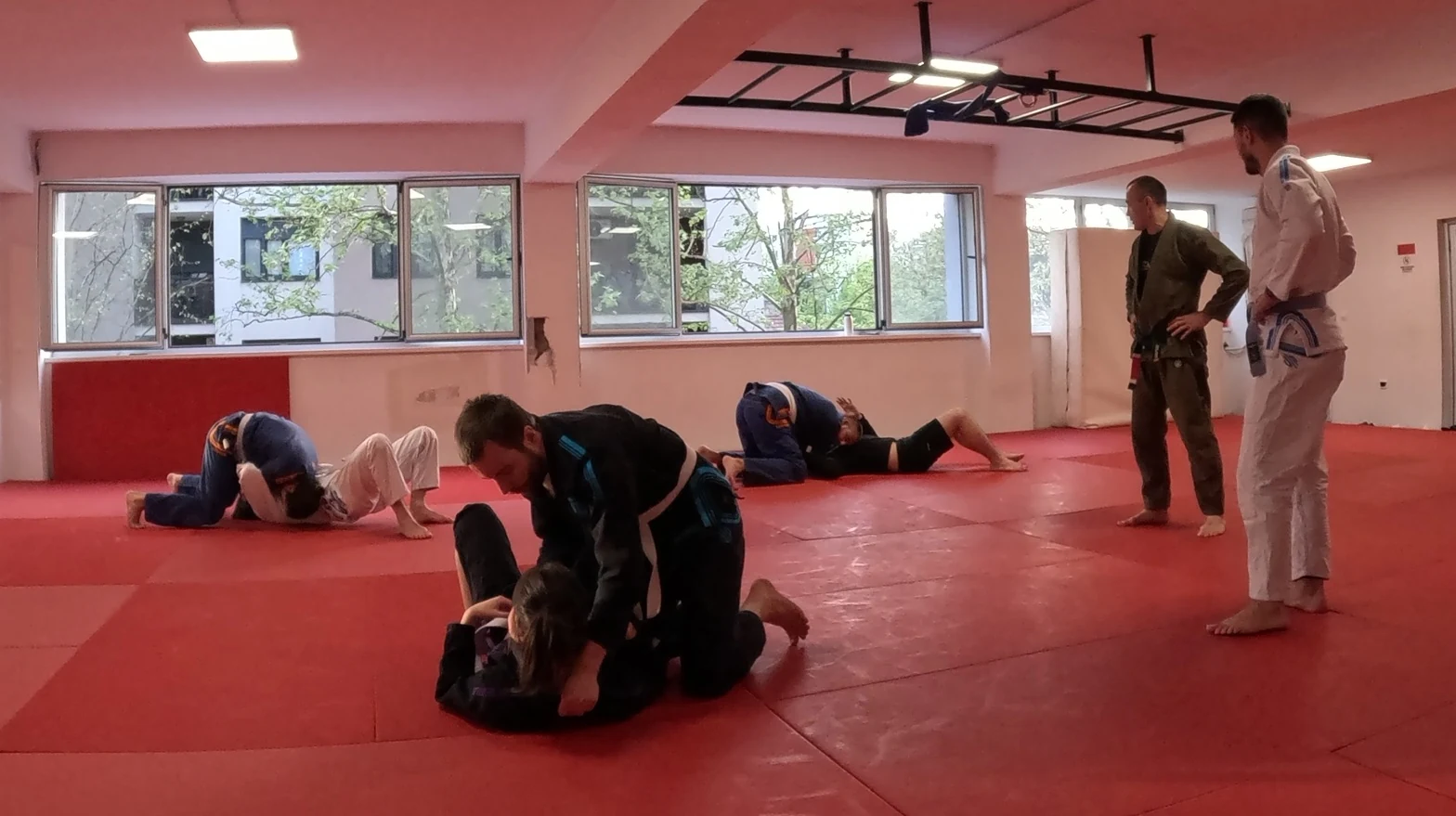
One partner tries to maintain a position while the other tries to take their back.
 GavranBJJ Academy
Teaching and practice
We teach mechanics and decision-making through focused units, technical practice, games, and sparring. You learn techniques, then adapt them against resistance.
Teaching methods
We use conceptual instruction, ecological dynamics, games with specific constraints, demonstration, repetition, recall of earlier material, positional resistance, and open sparring. We choose the method according to the material and each member’s needs.
Name the mechanical idea clearly.
Place it inside a recognisable grappling situation.
Explore solutions within the task and its constraints.
Refine mechanics with precise feedback.
Practise the skill with fewer constraints and increasing resistance.
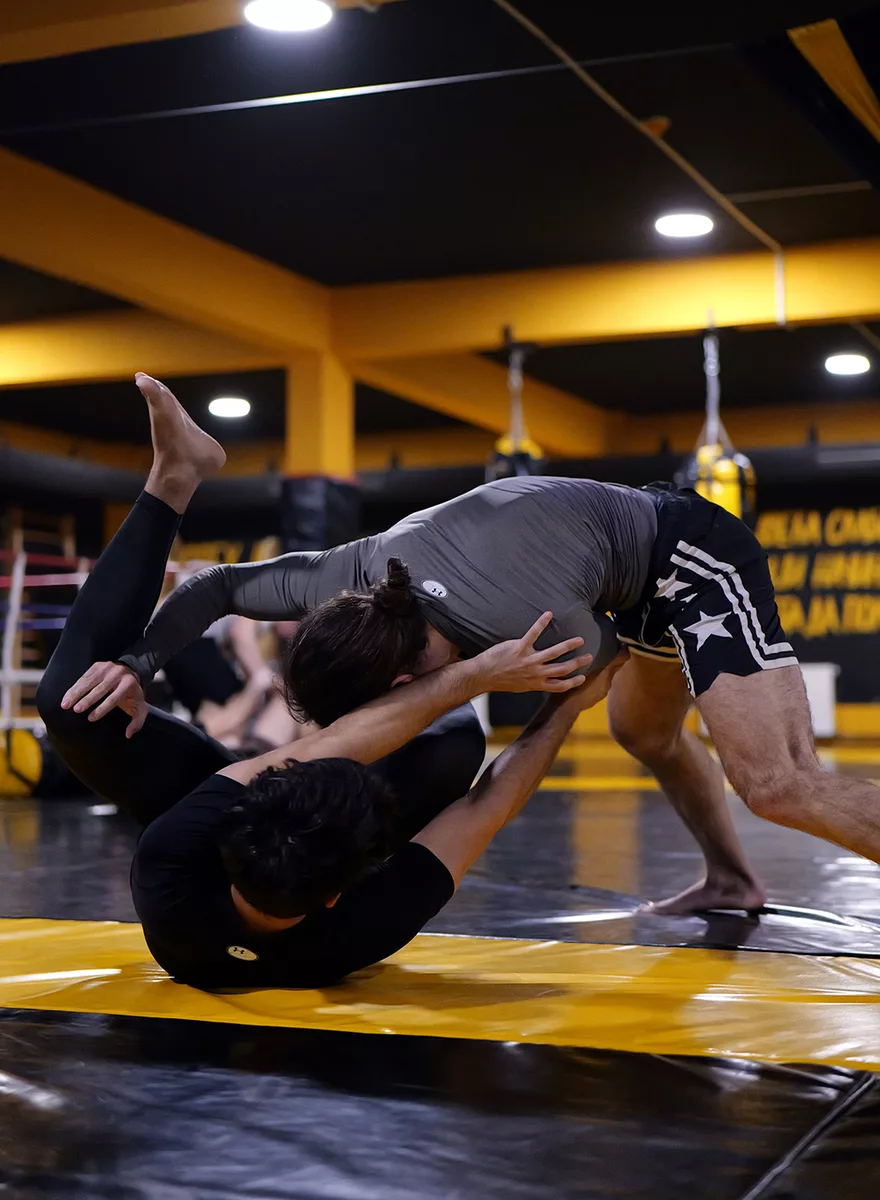
One partner tries to maintain a position while the other tries to take their back.
The top player tries to pass while the bottom player practises retention without ordinary grips or establishing a conventional guard.
We use both drilling and games, with clear objectives and feedback from the instructor.
A representative class
The structure changes with the learning objective. A typical session follows these stages, with new material usually limited to three techniques, occasionally four, to manage cognitive load.
Scalable crawling, rolling, bridging, balancing, level changes, and floor transitions prepare you for the movements used in the session.
Recall the last session, locate the position, or begin with a simple game.
We introduce the material through a demonstration or a task with specific constraints.
Practise, receive correction, then test the idea against a partner with a real objective.
Regular sessions end with technical, positional, ordinary, or competition-preparation rounds. Intensity is adjusted to the training objective.
Gavran BJJ / photographs
Grips, base and positional control — partner practice in class.
Working from SLX guard against a partner on top.
Leg control from standard ashi.
Arm control and body positioning for the finish.
Maintaining position with a partner.
Start of class
The first 15–30 minutes combine mobility exercises from different sports with general movement exercises. Changes of support, level and direction develop balance, coordination and body control.
We build a vocabulary of movement patterns, combine them in different sequences and connect them to grappling positions and techniques.
Curriculum structure
Themes connect the curriculum over several months. Units and modules focus each session, while the instructor adapts individual tasks.
A broad problem—retention, passing, escapes, wrestling, submissions—connects work over time.
Two sessions per week are devoted to studying and practising the unit’s material.
A smaller technical or conceptual exploration inside the unit.
Work on the newest material or a compatible problem that currently matters to you.
Conceptual and practical foundations; designed to give beginners a safe, intelligible start.
Detailed study of a theme. White belts can attend, with tasks adapted to their ability.
Ad-hoc sessions for established members, scheduled as needed rather than publicly advertised.
Fridays at 17:30. Additional work may include movement, sparring, competition preparation, wrestling, MMA-related work, or occasional striking.
For people who already grapple
Formats + intensity
We train gi and no-gi, wrestling, and leg locks. Each session’s format is listed in the timetable. Beginners can wait two or three months before buying a gi.
Heel hooks are mostly blue-belt-and-above work. A white belt needs supervision, composure, control, and explicit permission. Nothing rotational is applied explosively.
Mentorship + affiliation
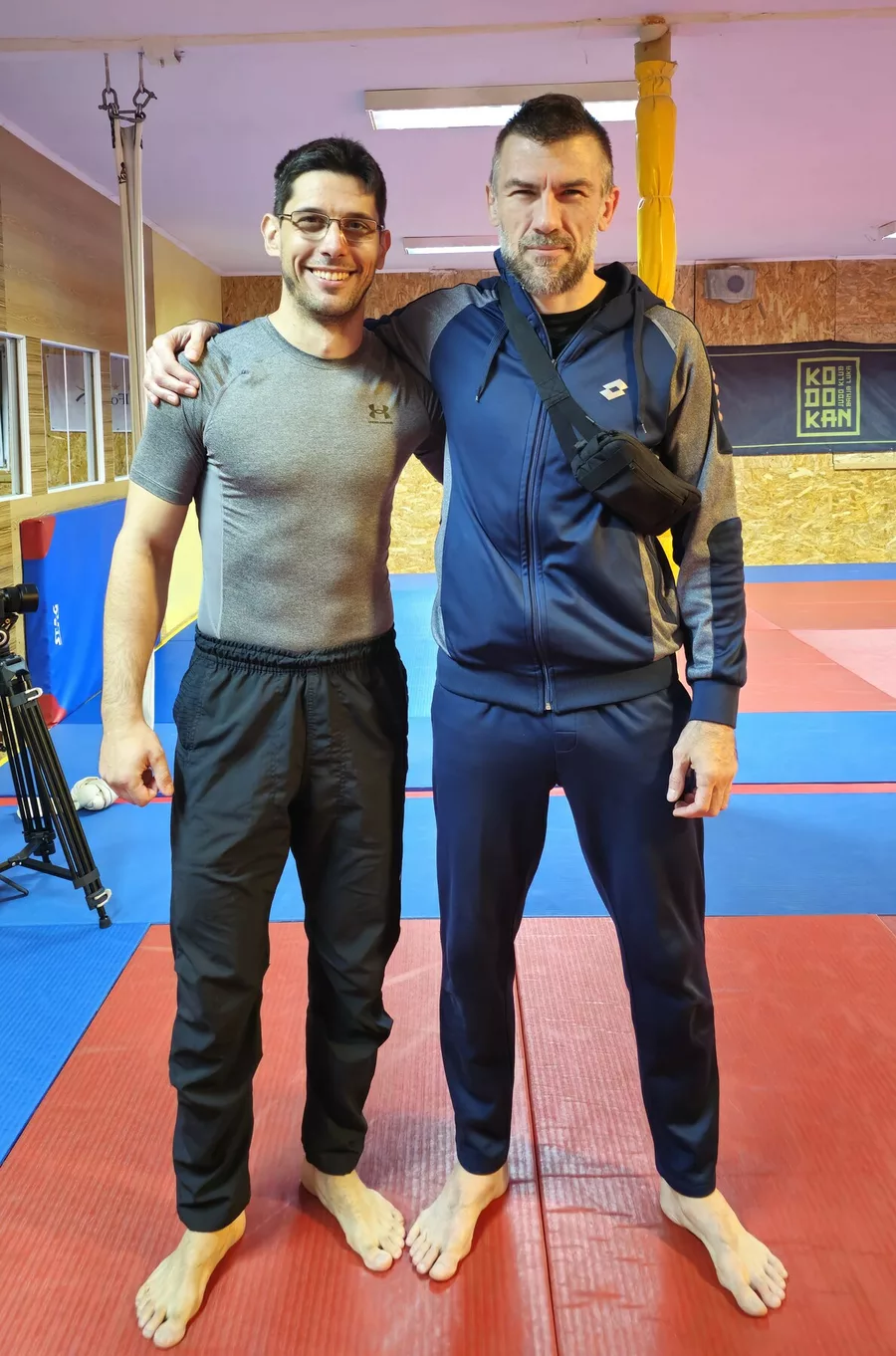
Rob Biernacki is Gavran’s pedagogical mentor and has taught at our club in Banja Luka. His conceptual framework and BJJ Concepts material inform our curriculum, including alignment, body mechanics, and learning through games. These photographs are from his visits.
BJJ Concepts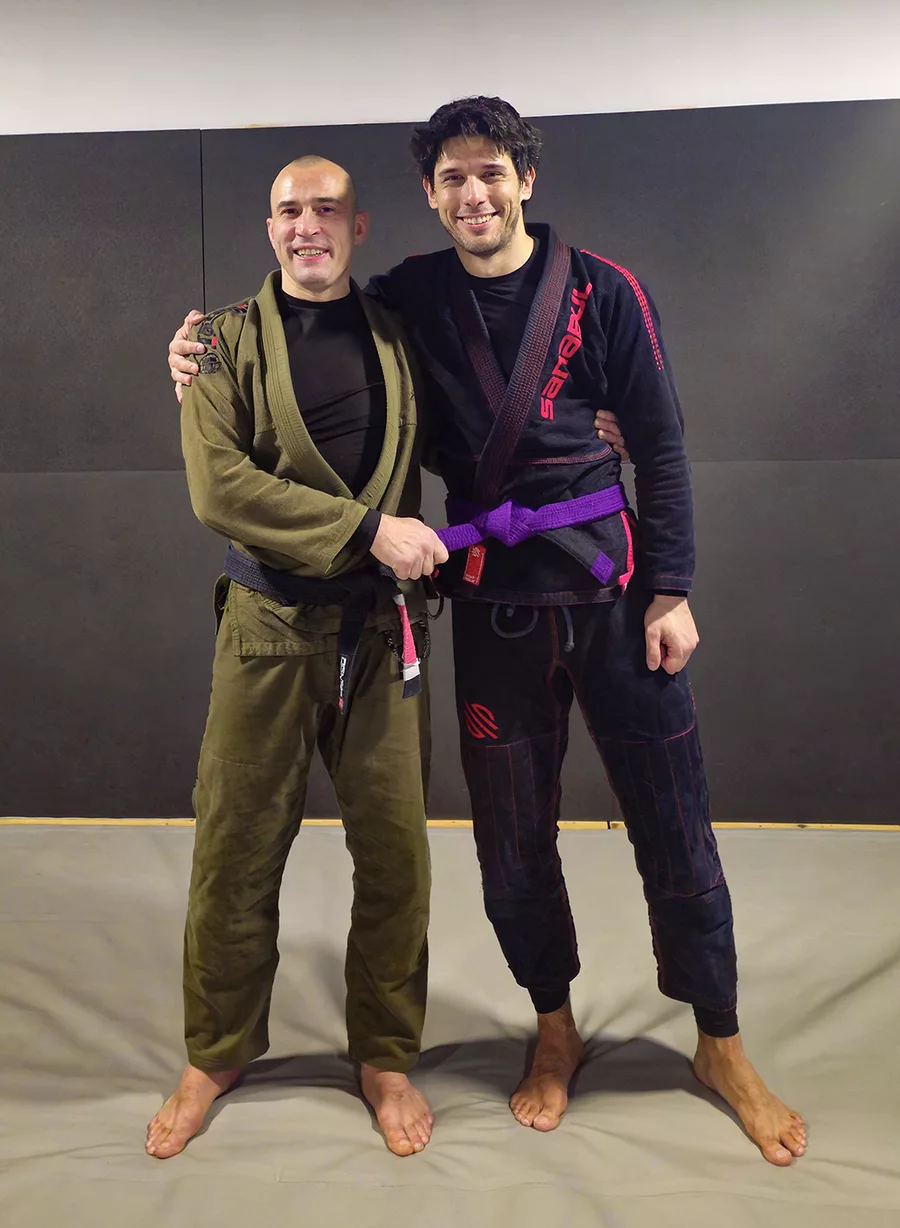
Gavran’s formal affiliation and belt standards run through Professor Đorđe Vasić in Novi Sad. Igor is his purple belt; promotion requires both the local recommendation and Đorđe’s approval.
Fenix BJJ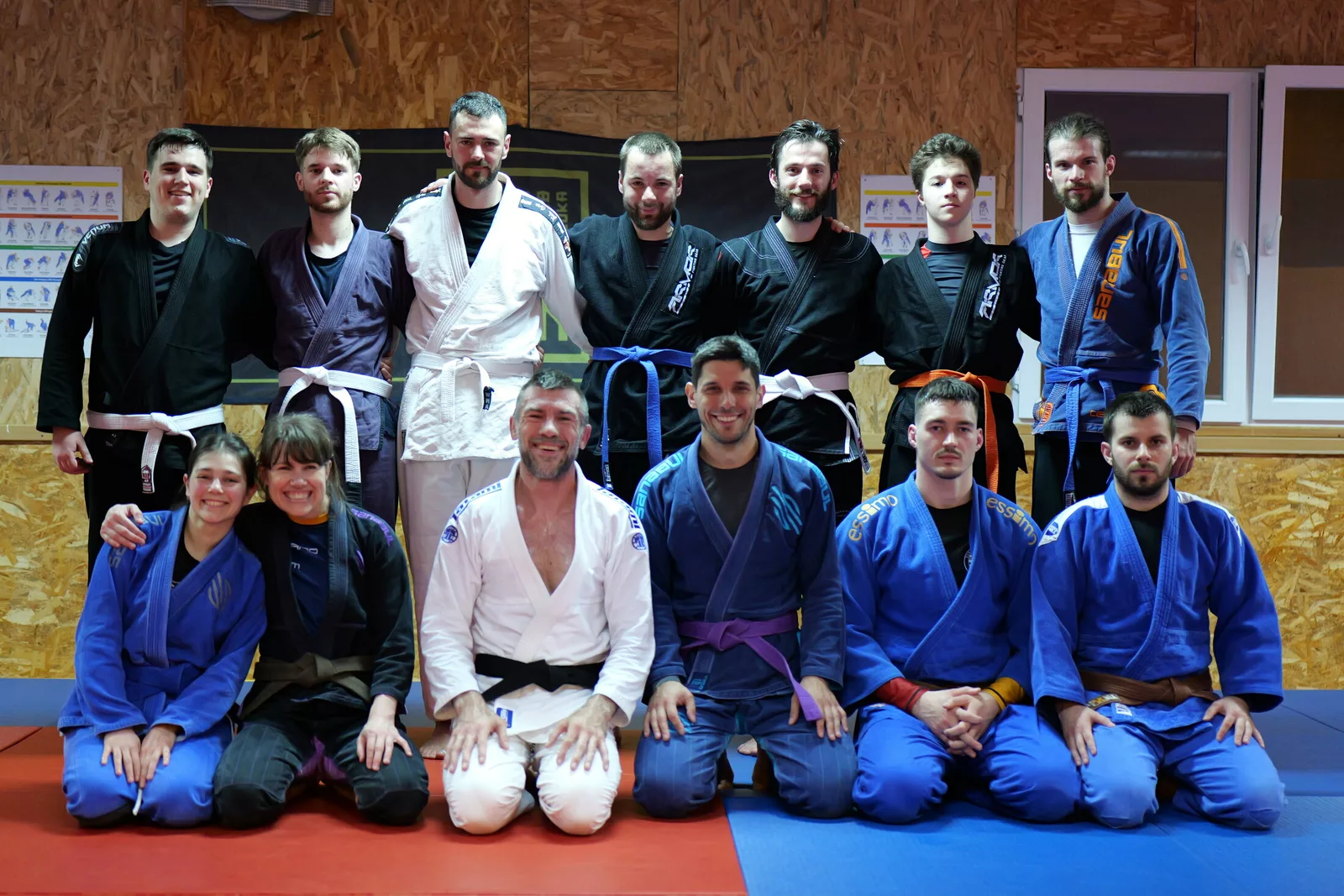
Igor has more than 15 years of sports teaching experience, including work with talented students in different disciplines. The instructor group has roughly 30+ years of combined teaching experience, which it applies to feedback, adapting tasks, and curriculum design.